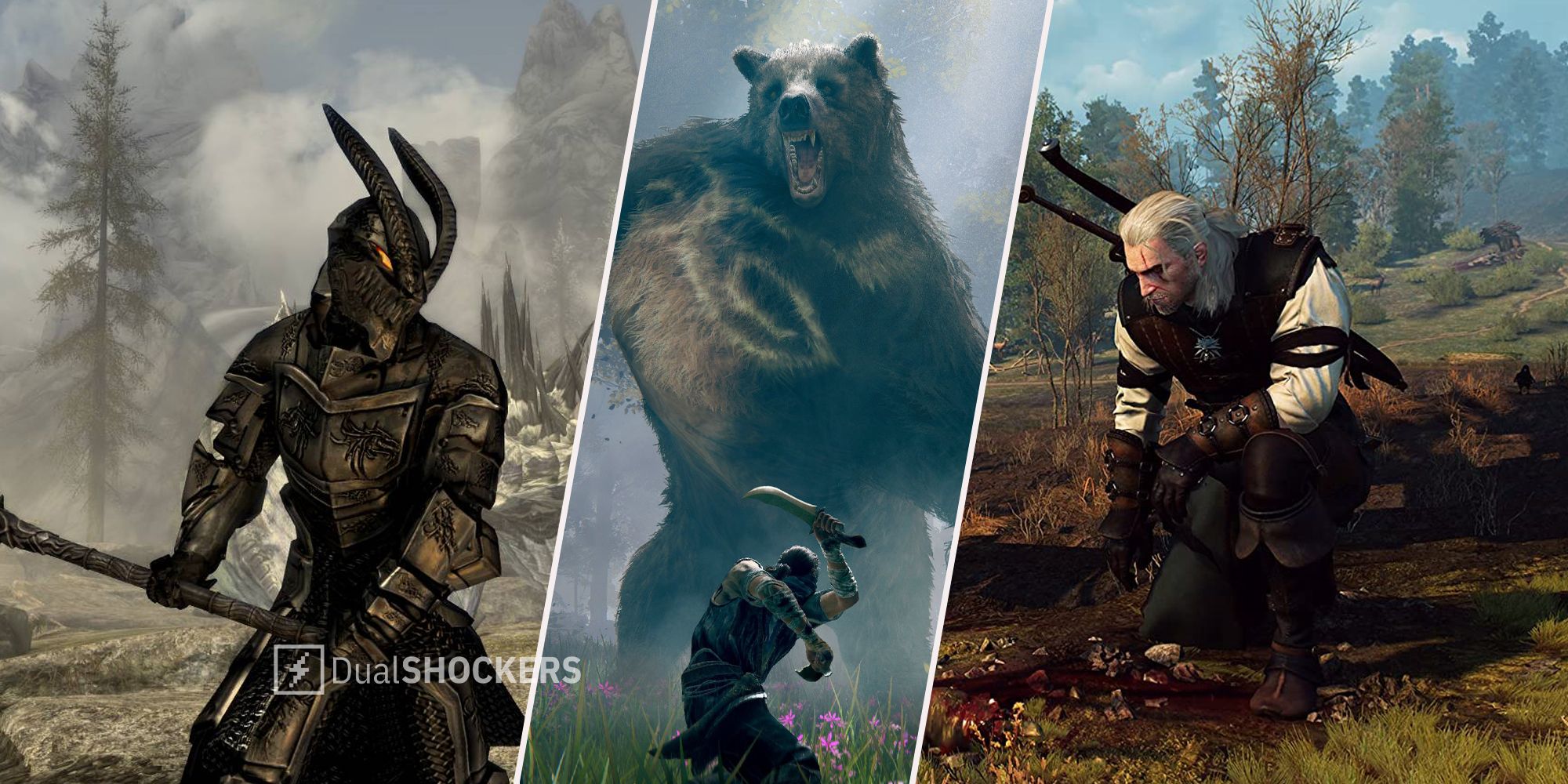
Best RPG games of all time bring together a rich tapestry of storytelling, immersive worlds, and captivating gameplay mechanics that have left an indelible mark on the gaming landscape. From classic titles that laid the foundation to modern masterpieces that push boundaries, this overview delves into the realm of RPG gaming excellence.
From exploring the evolution of RPG games over time to dissecting key features like character customization and world-building, this guide is a celebration of the genre’s enduring appeal and influence.
Introduction to RPG Games
Role-playing games (RPG) are a genre of video games where players assume the roles of characters within a fictional setting. These games often involve immersive storytelling, character development, and decision-making that impacts the game world.
RPG games appeal to gamers for their deep narratives, complex worlds, and the ability to customize and control their characters. Players can embark on epic quests, interact with various non-playable characters, and make choices that shape the outcome of the game.
Evolution of RPG Games
RPG games have evolved significantly since their inception in the early days of video gaming. From text-based adventures like “Colossal Cave Adventure” in the 1970s to modern open-world RPGs like “The Witcher 3: Wild Hunt” and “The Elder Scrolls V: Skyrim,” the genre has seen immense growth in terms of graphics, gameplay mechanics, and storytelling.
Classic RPG Games
Classic RPG games have left a lasting impact on the gaming industry, setting the standard for storytelling, character development, and immersive gameplay. These timeless classics have paved the way for modern RPGs and continue to be celebrated by gamers around the world.
List of Best Classic RPG Games:
- Fallout 2
- Chrono Trigger
- Baldur’s Gate II: Shadows of Amn
- Final Fantasy VI
- The Elder Scrolls III: Morrowind
Impact on the Gaming Industry:
Classic RPG games have revolutionized the gaming industry by introducing deep narratives, complex character development, and strategic gameplay elements. They have influenced game developers to prioritize storytelling and player choice, leading to the rise of narrative-driven games in various genres.
Comparison with Modern RPG Games:
Classic RPG games often focus on turn-based combat, party management, and intricate world-building, requiring players to strategize and plan their actions carefully. In contrast, modern RPG games may feature more action-oriented combat, open-world exploration, and player customization options. While modern RPGs offer more advanced graphics and gameplay mechanics, classic RPGs are praised for their rich storytelling and immersive worlds that have stood the test of time.
Modern RPG Games
Modern RPG games have seen significant advancements in terms of graphics, storytelling, and gameplay, thanks to the rapid evolution of technology. Let’s explore some of the popular modern RPG games that have gained critical acclaim and how technology has played a crucial role in shaping them.
Popular Modern RPG Games
Modern RPG games have pushed the boundaries of storytelling and immersion, captivating players with rich narratives and intricate worlds. Some of the popular modern RPG games that have received critical acclaim include:
- The Witcher 3: Wild Hunt – Known for its deep storyline, morally complex decisions, and stunning open-world environment.
- Persona 5 – Renowned for its unique blend of social simulation and dungeon crawling, accompanied by stylish visuals.
- Dark Souls series – Celebrated for its challenging gameplay, cryptic lore, and atmospheric world design.
- Divinity: Original Sin 2 – Praised for its deep tactical combat, player choice, and engaging narrative.
- Mass Effect series – Notable for its branching narratives, character development, and impactful player decisions.
Evolution of Modern RPG Games
Modern RPG games have evolved significantly from their classic counterparts, with advancements in graphics, storytelling, and gameplay. The integration of cutting-edge technology has allowed developers to create more immersive and visually stunning worlds, enhancing the overall gaming experience for players.
Role of Technology in Shaping Modern RPG Games
Technology has played a crucial role in shaping modern RPG games, enabling developers to create larger, more detailed game worlds, realistic character animations, and complex AI systems. The use of advanced graphics engines, motion capture technology, and artificial intelligence has elevated the level of immersion and realism in modern RPG games, providing players with unforgettable gaming experiences.
Gameplay Features in RPG Games
Role-playing games (RPGs) are known for their immersive gameplay features that allow players to delve into fantastical worlds and shape their own unique experiences. Let’s explore some common gameplay features found in the best RPG games of all time.
Character Customization
Character customization is a hallmark of RPG games, giving players the ability to create their own unique avatar with distinct attributes, skills, and appearance. This feature allows players to tailor their gameplay experience to suit their preferred playstyle, whether it’s focusing on magic, strength, stealth, or a combination of abilities.
Leveling Systems
Leveling systems in RPG games provide a sense of progression and growth as players complete quests, defeat enemies, and explore the game world. By gaining experience points and leveling up, characters unlock new abilities, spells, and equipment, allowing them to tackle more challenging foes and quests.
Decision-Making Mechanics
Decision-making mechanics play a crucial role in shaping the narrative and outcomes of RPG games. Players are often faced with choices that impact the story, relationships with NPCs, and the overall game world. These branching storylines add depth and replay value to RPG games, as players can explore different paths and endings based on their decisions.
Turn-Based vs. Real-Time Combat Systems
RPG games commonly feature either turn-based or real-time combat systems. Turn-based combat allows players to take their time strategizing and selecting actions for their characters, while real-time combat requires quick reflexes and timing to execute attacks and defenses. Both systems have their own strengths and appeal to different types of players, with turn-based combat emphasizing tactical planning and real-time combat focusing on fast-paced action.
Storytelling in RPG Games
Storytelling plays a crucial role in RPG games, as it is responsible for immersing players in rich and captivating narratives. The narrative elements, including plot twists, character development, and world-building, are essential in creating a memorable gaming experience.
Importance of Storytelling in RPG Games
Storytelling in RPG games sets the tone for the entire gameplay experience. It helps create emotional connections between players and the game world, making the journey more engaging and meaningful.
Impact of Narrative Choices on Player Experience
The narrative choices in RPG games have a significant impact on the player experience. These choices can lead to branching storylines, multiple endings, and character development based on player decisions, giving players a sense of agency and ownership over the game world.
Examples of RPG Games with Memorable Storylines and Characters
- The Witcher 3: Wild Hunt – This game is praised for its deep and morally complex storyline, filled with memorable characters and impactful choices.
- Final Fantasy VII – Known for its epic narrative, this game follows the journey of Cloud Strife and his companions to save the world from a powerful corporation.
- Mass Effect 2 – With a focus on player choices and consequences, this game offers a compelling narrative with a diverse cast of characters.
World Building in RPG Games
World-building plays a crucial role in creating immersive RPG experiences by setting the stage for players to explore rich and detailed environments. The depth and complexity of the game world can greatly enhance the player’s sense of immersion and investment in the game.
Significance of World-Building
World-building in RPG games is essential for establishing a believable and engaging setting for the player to navigate. By creating a well-developed world with its own history, culture, and geography, game developers can transport players to a different reality where they can fully immerse themselves in the game’s universe. This attention to detail can make the game world feel alive and dynamic, adding layers of depth to the overall gaming experience.
Role of Open-World Environments
Open-world environments in RPG games provide players with a sense of freedom and exploration. By allowing players to roam freely throughout the game world, developers can create a sense of vastness and discovery that enhances the player’s immersion. Open-world environments often offer a non-linear gameplay experience, allowing players to choose their own path and explore at their own pace.
Different Approaches to World-Building
In RPG games, world-building can take various forms, from linear to non-linear worlds. Linear worlds follow a predetermined path or storyline, guiding players through a set narrative. On the other hand, non-linear worlds offer more freedom and flexibility, allowing players to explore the game world in any order they choose. Both approaches have their benefits, with linear worlds providing a more focused narrative experience and non-linear worlds offering a greater sense of exploration and player agency.
Impact of RPG Games on Gaming Culture
RPG games have had a significant impact on gaming culture, influencing various genres within the gaming industry and shaping how players interact with games. Let’s delve deeper into how RPG games have influenced gaming culture.
Influence on Other Genres
RPG games have served as a source of inspiration for many other genres in the gaming industry. Elements such as character progression, immersive storytelling, and decision-making mechanics have been adopted by other genres like action-adventure games and open-world titles. This cross-pollination of ideas has enriched the gaming landscape and provided players with diverse gaming experiences.
Community Aspects
One of the defining features of RPG games is the strong community that surrounds them. Fans often engage in discussions, create fan theories, and participate in modding communities to enhance their gaming experience. The ability to customize and personalize RPG games through mods has fostered a vibrant and creative community that continues to contribute to the longevity of these games.
Legacy and Lasting Impact
The legacy of RPG games is undeniable, with many classic titles still revered by gamers today. Games like “Final Fantasy,” “The Elder Scrolls,” and “Mass Effect” have left a lasting impact on gaming culture, influencing newer titles and setting standards for narrative-driven gameplay. The rich worlds, memorable characters, and complex narratives found in RPG games have undoubtedly shaped the way players perceive and engage with video games.
Last Word
As we conclude this journey through the best RPG games of all time, it’s evident that these immersive experiences have not only entertained but also shaped the very fabric of gaming culture. From nostalgic classics to cutting-edge innovations, the legacy of RPG games continues to inspire and captivate players across generations.
